.png)
My RV / Van Life
In the 1990s, I spent 1,000 nights living in a vintage 1978 Dodge Balboa camper
van—long before #VanLife was even a hashtag. I always knew I’d hit the road
again. Thirty years later, I did. This time, I chased 40- to 70-degree weather
across America in a vintage 1998 Dodge Ram Roadtrek 190V, for another
1,000 nights. And this time, I traded paper maps, pagers, and payphones for solar panels, GPS, and Wi-Fi. 🤣 That’s 2,000 nights on the road, three decades apart, and plenty of lessons learned the hard way. Now I’m turning them all into a fun RV tips book.
RV/Van Life TIPS
If you're new to the RV world, the first thing to know is that there isn't just one way to travel. "RV" stands for Recreational Vehicle, and that covers a wide variety of lifestyles.
During my travels, I met every type of RVer imaginable. Learn the different RV classes—Class A, Class B, Class C, towable RVs, truck campers, and ultra-luxury motorhomes. Other free-style conversions can include school buses, postal trucks, cargo vans, box trucks, ambulances, bread trucks, minivans, and more. Each has pros and cons.
You'll also meet every kind of traveler: solo adventurers (like me), couples, families with kids, retirees, digital nomads, and weekend warriors. And everyone travels on a different budget. Some people live almost entirely for free by boondocking on BLM land near places like Quartzsite, Arizona, while others happily spend $50–$200 per night at RV parks for the extra amenities. No matter your budget or travel style, there's a place for you on the road.
My RV/Van Life TIPS
Keep in mind that your RV is simply a tiny home on wheels. You're now responsible for supplying and maintaining everything a brick-and-mortar home normally
provides—fresh water, electricity, propane, your sewer system, kitchen, bathroom,
heating and cooling, and more. Once you get the hang of it, it all becomes part of the RV lifestyle.
Before I get into the dirty stuff, save this YT video: "The Truth About RV Black & Gray."
It is absolutely the best out there.
Most RVs have five tanks to watch: fuel, fresh water, propane, gray, and black.
You refill the fuel, fresh water, and propane tanks as needed. However, you must empty
the gray and black tanks.
GRAY & BLACK TANKS
Congratulations. You've reached the part of RV life nobody posts on Instagram. 🤣
Simply put, the gray water tank holds dirty water from your sink(s) and shower, if you
have one. The black water tank holds your toilet water.
Where to dump gray and black tanks
Many dump stations charge $10-$20 to dump unless you're staying at an RV park, where dumping is often included, or you can dump at your site. Other places that may offer dumping include truck fuel stations, parks, rest areas, RV dealerships, and official city RV wastewater sanitary dump stations that are often free. Apps can also help you find dump stations, or you can ask Google Maps.
Keep in mind that dumping both black and gray RV tanks on the ground, in storm drains, or in public waterways is generally illegal across the United States.
Tip for dumping gray and black tanks
Dump the black tank first, then the gray tank. The gray water helps rinse the sewer hose after the black tank empties.
Odor-free gray and black tanks
In my first year, I used RV Digest-IT (the video above). But after I stopped using my black tank without my #2 or toilet paper, all I used was Dawn dish soap and Calgon water softener. After dumping your tanks, pour 1 cup of Dawn and 1 cup of Calgon into each tank, then add a little water. For the black tank, pour the mixture down the toilet. For the gray tank, pour it down the kitchen sink. That's it! You can find Calgon water softener on my Amazon Store, or pick it up in the laundry detergent aisle at Walmart.
My Black Tank Tip
Since I traveled in a Class B camper van, my black tank was much smaller than those in larger RVs. After my first year on the road, I changed my routine: I stopped using the toilet for #2 altogether and only used it for #1.
I also threw my used toilet paper in a trash can instead of flushing it. As a result, my black tank contained only urine, water, Dawn, and Calgon. That one simple change meant fewer dump station visits, less maintenance, and a much more pleasant RV experience. NOTE: For going #2, I would line the toilet bowl with a plastic bag and dispose of it in a public trash can, or use a nice public bathroom. And when I visited friends and family, they let me dump both my gray and black tanks in the grass somewhere on their property.
FUEL TANK
The tank that turns dreams into destinations.
Try to refill your gas tank when it reaches about ¼ to ½ full rather than waiting until it's almost empty. There are several reasons: it can help your engine run more efficiently, reduce stress on the fuel pump, and give you a safety buffer if you can't find a gas station when you need one.
Every second or third fill-up, I also add a fuel treatment. I alternate between Sea Foam and Lucas Fuel Treatment because each helps clean different parts of the fuel system. You may also want to use an oil additive and always carry a couple of extra quarts of the correct motor oil.
One more thing I highly recommend is a locking fuel cap. It helps prevent someone from siphoning your fuel or putting anything harmful into your gas tank. If your vehicle is ever stolen, it makes it harder for the thief to refill the tank.
FRESH WATER TANK
The cleanest tank in your RV... let's keep it that way.
If you buy a used RV, sanitize and flush the fresh water tank before using it. If your RV has a water filter, replace it too—you never know how well the previous owner maintained the system.
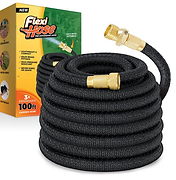
Filling the fresh water tank is easy. I recommend using a standard hose with an RV Water Tank Filler with a Shutoff Valve that screws onto the end of the hose. Buy two of them so you have a backup. They're inexpensive, and it's one of those little items that's frustrating to lose or break.
To sanitize the tank, I pour in one capful of chlorine bleach, fill the tank with fresh water, and let the movement from driving mix it all together.
PROPANE TANK
This tank keeps you warm, feeds you, and makes coffee possible.
A certified, trained attendant must fill your propane tank—you can't refill it yourself. Use Google Maps to find propane filling stations. Common places include U-Haul, Tractor Supply, farm supply stores, RV parks, and truck travel centers. I recommend calling ahead to make sure they fill onboard RV propane tanks, because some locations only exchange or sell portable propane cylinders.
Before filling the tank, turn off your propane supply. That's usually the first thing the attendant will ask, so I turn it off when I arrive. But if you were driving anyway, the propane should already be off. Once you stop for the day, then you can turn it back on. If the time between is many hours, then you can keep the fridge cool with a bag of ice.
Your propane system typically powers your:
-
Stove
-
Refrigerator (when not on shore power)
-
Furnace
-
Water heater
STOVE
Many older RVs have propane stoves that require a long lighter, while newer RVs may have electronic ignition or even induction cooktops.
Never use your stove or oven to heat your RV. They aren't designed for that purpose and can create dangerous carbon monoxide and fire hazards.
Whenever you're cooking, turn on your range hood vent or roof vent fan to remove heat, moisture, and cooking odors.
Some handy RV owners install an exterior propane quick-connect so they can cook outside with a grill or camp stove. It also keeps your RV from smelling like bacon, fish, or last night's dinner.
REFRIGERATOR
Most built-in RV refrigerators are 2-way, meaning they can run on either:
-
Shore power (when plugged into electricity), or
-
Propane
Simply select the power source using the refrigerator's controls.
Some newer RVs have 12-volt compressor refrigerators instead, so be sure to learn which type your RV has.
FURNACE
Your RV furnace works much like the heating system in a house—you simply set the thermostat to the temperature you want.
The heat comes from propane, but the furnace blower and ignition run on your house batteries, not your engine battery. Every time the furnace cycles on, it draws electricity. If you're boondocking and leave the furnace running all night, you may wake up to depleted batteries.
Extra battery capacity, solar panels, or a generator can help if you camp off-grid frequently. I recommend lithium batteries.
Off topic, my 300-watt solar system with one 100Ah lithium battery cost $5k. That included everything needed and installation. I also had the technician hook up the battery to my engine's alternator, which charged the house lithium battery while driving. Overcast days in a row will happen.
HOT WATER HEATER
To be honest, I rarely used my RV's hot water heater. Depending on the model, it usually takes about 20–30 minutes to heat a tank of water, and for my needs it was quicker to heat a pot of water on the stove.
Even if you don't use it often, it's a good idea to run the water heater occasionally to make sure everything stays in working order. And once a year, check the anode rod.
Your RV isn't the adventure. It's simply the vehicle that gets you there. The memories you'll make are worth every flat tire, every wrong turn, and every dump station. Have fun! And wave at other RVers.
And most importantly, never forget to look up at the stars. 🌟
TIP 2. More to come soon, such as places to sleep, WiFi, security, expenses, organization tips, and more.
UPDATE: I have discovered that I have too much RV knowledge to share, so I'm now in the middle of designing and writing an RV Book of Tips, Tricks & Hacks for Newbies, Full-Time Nomads, and Everyone In Between --August 2026
It should be ready for the 2026 holiday season.
Some adventures are uploaded to YouTube
And some RV products I recommend are on Amazon.