

荷兰制造了genever(也拼写为jenever),这就是英国人试图复制的东西。
从技术上讲,可以说杜松子酒是第一种调味伏特加。
杜松子酒被授予荷兰士兵的绰号“荷兰勇气”。
奥兰治的威廉将基因从荷兰带到英国。
杜松子酒中使用了许多草药和植物,但杜松子赋予了主要风味。
英格兰第一款商业杜松子酒被称为老汤姆。这是一种很像genever的甜杜松子酒。
在 1700 年代,英国人被允许在没有许可证的情况下生产杜松子酒。
杜松子酒可以在世界任何地方生产。
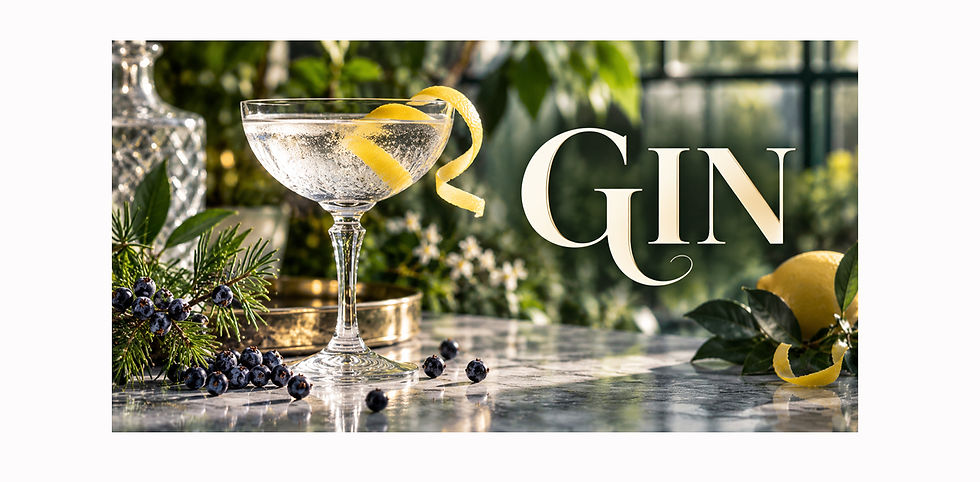
杜松子酒是马提尼酒中使用的原始基酒。马提尼酒杯形象是全球最具标志性的鸡尾酒文化符号。其他受欢迎的杜松子酒鸡尾酒包括 Tom Collins、Singapore Sling、Negroni、Ramos Gin Fizz、Gimlet 和 Monkey Gland。
杜松子酒的种类
杜松子酒可以在世界任何地方生产,但生产杜松子酒的主要国家包括美国、日本、法国、西班牙、瑞典、加拿大、苏格兰和德国,非洲大陆也是如此。杜松子酒有四种类别:Genever、London Dry(或只是 Dry)、Plymouth 和 New Western。
吉内弗 (Jenever)
Genever是荷兰第一个发明的。它有甜味,麦芽味。 Genever 又分为四类:Oude、jonge、korenwijn 和 graajenever。 Oude 和 jonge 只能在荷兰和比利时制造和销售。
点击这里 在 SlideShare 上查看 Genever 演示文稿。
伦敦干(干)
当提到杜松子酒时,大多数人都会想到这一点。受欢迎的品牌是 Bombay、Beefeater 和 Tanqueray。味道干净干爽,在鸡尾酒中混合得很好。
普利茅斯
此类别适用于杜松子酒 产于英国普利茅斯。今天,这座城市只生产一种杜松子酒,它的名字叫普利茅斯。它尝起来芳香、泥土和果味。
新西部
这些新的杜松子酒在新千年开始时投放市场。他们中的大多数会属于“干”的范畴,杜松似乎在后端而不是前端。例子包括 亨德里克、美国航空和马丁米勒的。
有趣的杜松子酒事实
杜松子酒只是第一次蒸馏后的伏特加。在第二次蒸馏期间添加草药和植物药。公平地说,杜松子酒是调味伏特加。
几乎零种杜松;它主要是在野外采摘的。
今天,菲律宾消费的杜松子酒比世界上任何国家都多(每年 2500 万箱)。
最著名的马提尼名言是美国诗人和作家多萝西·帕克(Dorothy Parker)说的:“我喜欢喝马提尼,最多两杯;三,我在桌子底下,四我在主人底下!”
最昂贵的杜松子酒是Watenshi,每瓶2500美元。瓶子充满了蒸发(天使的份额)。装满一瓶需要一百次蒸馏。
2016年2月11日,最大的杜松子酒品鉴会 796人参与,由新世界贸易公司实现 在英国各地。有九个酒吧参加。
2018 年,史努比狗创造了吉尼斯世界纪录中最大的杜松子酒和果汁。
我在新奥尔良波旁街的波旁 O 爵士酒吧推出了 2019 年季节性/冬季航空美国杜松子酒菜单。
Gin Timeline
From a 13th-century Dutch medicine cabinet to a London public health crisis to
Snoop Dogg's giant cocktail, here's gin history laid out in order — proof that no spirit has had a more dramatic career change than a little juniper berry.
13th century — One of the earliest known written references to juniper-based medicinal tonics appears in Jacob van Maerlant's Dutch work Der Naturen Bloeme.
Late 1500s — The Dutch begin producing jenever (genever), the malty,
juniper-flavored spirit that will eventually inspire English gin.
1575 — The Bols family establishes a distilling business in Amsterdam, one of the earliest and most enduring genever houses.
Mid-1600s — Hundreds of small distilleries are operating throughout the Netherlands. Jenever is firmly part of Dutch drinking culture.
1689 — Dutch-born William of Orange becomes King William III of England. His government discourages imported French brandy and encourages domestic gin production.
Early 1700s — Gin becomes cheap, plentiful, and barely regulated. London's Gin Craze begins, associated with poverty, crime, and public disorder.
1736 & 1751 — Parliament passes the Gin Act of 1736 and the Gin Act of 1751, attempting to control London's gin crisis.
1751 — William Hogarth publishes his engraving Gin Lane, capturing the era's grim reputation.
1820s–1830s — Gin's image transforms with the arrival of London's glamorous gin palaces — bright lighting, mirrors, and elaborate interiors.
Late 1800s — Old Tom Gin appears in early American cocktail books. The Martinez, an important predecessor of the Martini, combines gin and vermouth.
1888 — New Orleans bartender Henry C. Ramos creates the Ramos Gin Fizz.
1920–1933 — American Prohibition drives gin production underground, giving rise to the term "bathtub gin."
1930s–1940s — After Repeal, Hollywood glamorizes gin cocktails, especially the Martini.
2000s–2010s — The modern craft-gin revival takes off. Gin entries at the International Wine & Spirit Competition increase 200% between 2013 and 2016 alone.
2018 — Snoop Dogg helps create a record-breaking giant Gin & Juice at the BottleRock Napa Valley festival.
杜松子酒历史学家发现,以杜松为基础的健康补品最早出现在 Jacob van Maerlant te Damme 于 1269 年的荷兰书籍Der Naturen Bioemementions中。
1575 年,卢卡斯·布尔修斯(Lucas Bulsius)将他的姓氏改为波尔斯(Bols),搬到阿姆斯特丹,并建立了自己的珍妮弗酒厂。它是在荷兰参加荷兰独立战争(1567-1609 年)的英国军队最喜欢的饮料。他们给它起了一个绰号:荷兰勇气。 1600 年,博尔斯赢得了声誉,成为强大的荷兰东印度公司的首选供应商。这让他第一次尝试使用香料和香草来制作他的 jenever。 Jenever 在 1623 年的一部名为《米兰公爵》的英国戏剧中被提及。到 1600 年代中期,数以百计的小型荷兰杜松子酒酿酒厂开始运营。
Pietr Blower,一位荷兰移民(自我流放)在巴巴多斯制作了一种特殊的 jenever 食谱。 1637 年,他从巴西带来了酿酒设备和甘蔗苗。
1672年,奥兰治的威廉(来自荷兰)成为英格兰国王。威廉通过对进口烈酒征税,极大地影响了英国杜松子酒的广泛生产,然后允许任何人在没有许可证的情况下生产杜松子酒,这导致酿酒商使用不干净的水和有毒、劣质的成分。杜松子酒是镇上最便宜的饮料,并开始被指责为犯罪率上升、社会问题、事故和许多人死亡的罪魁祸首。伦敦变成了一个充满醉汉的犯罪贫民窟。所有这些都导致了“杜松子酒热潮”、“杜松子酒巷”、“1736 年杜松子酒法案”和“1751 年杜松子酒法案”。 1721年,伦敦的四分之一用于生产和销售杜松子酒。生产了近 200 万加仑。
1825 年至 1829 年间,第一座奢华的伦敦杜松子酒宫殿以华丽的风格开业。查尔斯·狄更斯(Charles Dickens)在 1836 年写过关于它们的文章,称它们“与我们刚刚离开的黑暗和泥土形成鲜明对比时非常耀眼”。
1862 年,美国调酒师和作家杰里·托马斯在第一本已知的鸡尾酒书中发表了第一个已知的杜松子马提尼配方,称为 Martinez。为马提尼酒列出的杜松子酒是老汤姆。 1888 年,新奥尔良酒吧老板查尔斯·拉莫斯(Charles Ramos )调制了该市最受欢迎的杜松子酒鸡尾酒——拉莫斯杜松子酒。它还要求老汤姆金酒。
在美国禁酒令(1920-1933 年)期间,暴徒通过向盗版月光中注入干杜松子来制作类似杜松子酒的酒,到 1940 年代,杜松子酒在好莱坞电影明星和电影的帮助下被改造成一种迷人的精神。
图片来自 Aviationgin.com

公共区域

公共区域

公共区域
Fun Gin Facts
Gin and vodka are close cousins. Many gins begin with a neutral spirit much like vodka. The difference comes when juniper and other botanicals are introduced to give gin its distinctive flavor.
Think of vodka as showing up naked. Gin accessorizes.
Juniper berries aren't actually berries. Botanically speaking, they're the fleshy seed cones of the juniper plant.
So gin has been lying to us about the berries this entire time.
Most juniper used for gin is wild-harvested rather than commercially farmed. Pickers gather the tiny cones from naturally growing juniper shrubs, particularly throughout Europe.
Imagine explaining your occupation at a party: “I pick gin berries.”
The Philippines has historically been the world's largest national gin market. Gin is enormously popular there, particularly the locally produced Ginebra San Miguel. Apparently, England started the Gin Craze, and the Philippines said, “We'll take it from here.”
Gin can be made from some surprising things. The base alcohol can originate from grains, grapes, potatoes, sugar beets, or other fermentable agricultural ingredients. What makes the finished spirit gin is its botanical character—most importantly, juniper. There is no official botanical limit. Gin makers can experiment with citrus peels, coriander, cucumber, flowers, tea, peppercorns, herbs, spices, seaweed, and countless other ingredients.
Basically, gin distillers are the people who look around the garden and think, “I wonder what that tastes like at 80 proof.”
One of the world's most extravagant gins is Watenshi. Cambridge Distillery produces it by capturing extraordinarily small quantities of spirit normally lost during distillation. Watenshi has recently been priced at about £3,000 ($4,000) per bottle.
At that price, I'm going to need you to measure my Gin & Tonic with an eyedropper.
The Guinness World Record for the most expensive bottle of gin has belonged to MORUS LXIV. A bottle sold in London in 2018 for £3,800, approximately $4,888 at the time.
And suddenly the well gin doesn't look so bad.
Gin doesn't have to come from England. Unlike geographically protected spirits such as Cognac, gin can be produced around the world. Today you'll find excellent examples from Japan, Spain, Germany, the United States, Australia, South Africa, Sweden, and many other countries. International gin competitions now recognize producers from all over the globe.
London Dry Gin doesn't have to be made in London. “London Dry” refers to a production style, not an address.
London would probably like a word with whoever came up with that naming system.
Navy-strength gin is seriously strong. It's traditionally bottled at about 57% ABV. The style is associated with the British Royal Navy and the strength at which spilled spirit could still allow gunpowder to ignite.
That's one way to conduct quality control.
Gin nearly lost its cool—and then came roaring back. The modern craft-gin revival exploded in the 2000s and 2010s. At the International Wine & Spirit Competition, gin entries increased 200% between 2013 and 2016 alone.
In 2018, Snoop Dogg helped make a record-breaking Gin & Juice. Snoop Dogg, Warren G and others created an enormous cocktail at the BottleRock Napa Valley festival using gin, juice, and a giant drinking vessel. Because apparently a regular Gin & Juice wasn't Snoop enough.
The Martini glass became an international shorthand for “cocktail.” You see its V-shaped silhouette on bar signs, cocktail menus, neon lights, logos, invitations, and cocktail-hour graphics around the world—even when there isn't a Martini anywhere in sight.
It's basically the cocktail world's version of the peace sign.
Types of Gin
Gin is now made around the world, and today's bottles don't always fit neatly into four boxes. But these are some of the major styles worth knowing:
Genever (Jenever)
The Dutch ancestor of modern gin. Genever generally has a richer, maltier character than London Dry Gin and can taste closer to a meeting between gin and whiskey.
Traditional classifications include jonge, oude, and korenwijn. And confusingly, jonge and oude don't simply mean the genever is young or old—they refer primarily to the style and production method.
Apparently, ordering Dutch liquor required a vocabulary test.
London Dry
This is the classic gin profile most people recognize: dry, crisp, botanical, and juniper-forward. Familiar examples include Beefeater, Tanqueray, and Bombay Sapphire.
And despite the name, London Dry Gin does not have to be made in London. “London Dry” describes how the gin is produced, not its mailing address.
Plymouth Gin
Unlike London Dry, Plymouth Gin is geographically tied to Plymouth, England. Today, Plymouth Gin is the best-known—and historically defining—example of the style. It tends to be softer and earthier than a traditional London Dry, with less aggressive juniper.
Old Tom
A historic style that is generally a little sweeter and rounder than London Dry. Old Tom nearly disappeared during the 20th century before the craft-cocktail revival brought it back.
Bartenders started digging through old cocktail books and realized we'd misplaced an entire gin.
Contemporary / New Western Gin
Beginning around the turn of the 21st century, distillers increasingly produced gins in which juniper shared the spotlight with other botanicals. Citrus, cucumber, flowers, herbs, and spices could become much more prominent.
Hendrick's and Aviation helped popularize this modern approach.
Juniper is still there—it just finally learned how to share the microphone.